Work with topography
Drainage, retaining strategy, arrival experience, and where the house touches the land all influence both beauty and long-term performance.

Signature Feature
Architecture, grading, water movement, planting, and pathways should be designed as one conversation. That is how a property begins to feel composed instead of assembled.
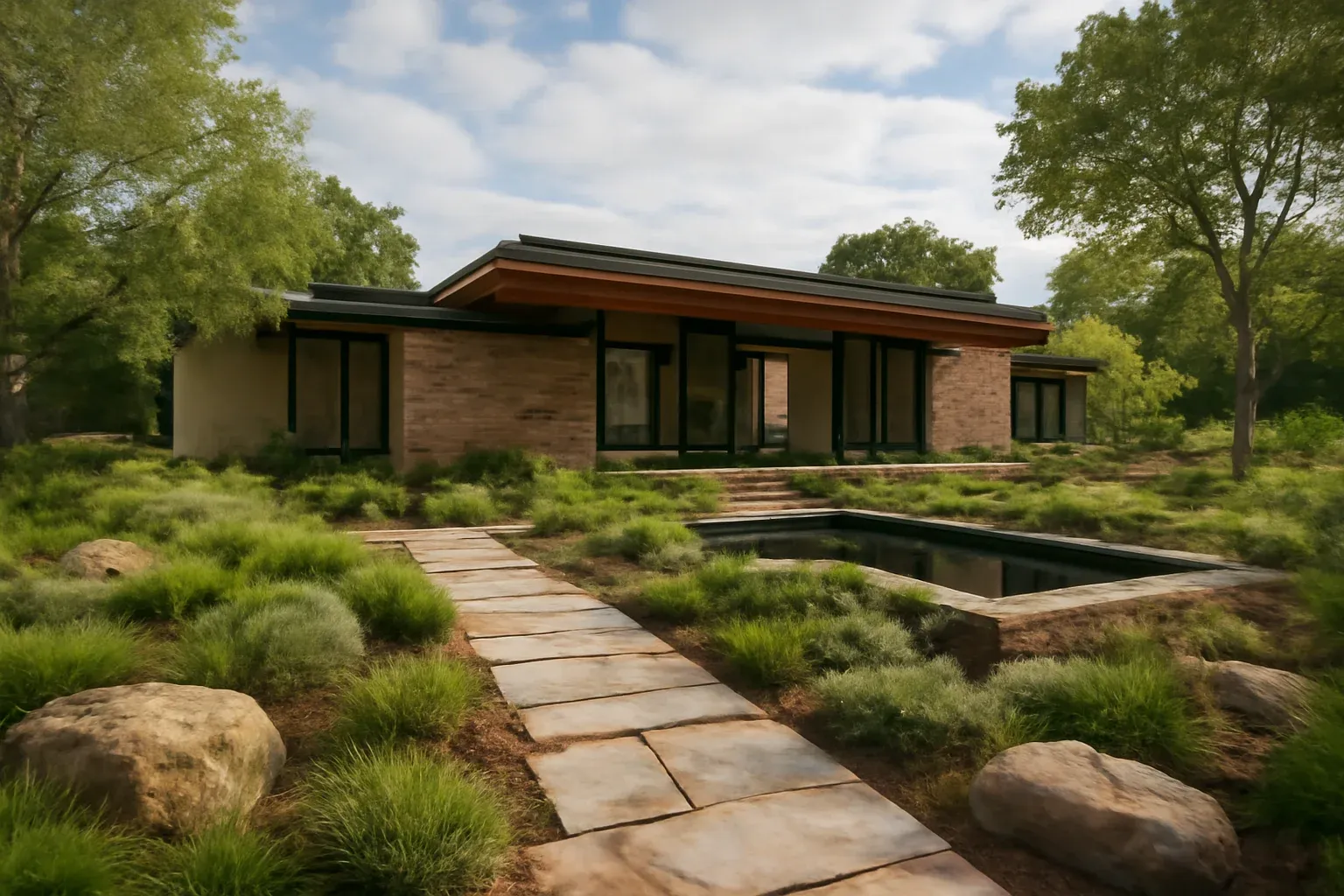
These ideas change real decisions about siting, detailing, material strategy, and the feeling of the finished house.
Drainage, retaining strategy, arrival experience, and where the house touches the land all influence both beauty and long-term performance.
Landscape design does more than frame views. It determines how you approach the home, how you circulate around it, and where moments of quiet or gathering happen.
Creeks, ponds, runoff, snowmelt, and irrigation should support the life of the property rather than create conflicts down the line.
Applied thinking
On complex sites, the landscape often determines whether the architecture feels calm and inevitable or overly assertive.
Early collaboration around grading, planting, pathways, and outdoor rooms protects both the house and the experience of being there.
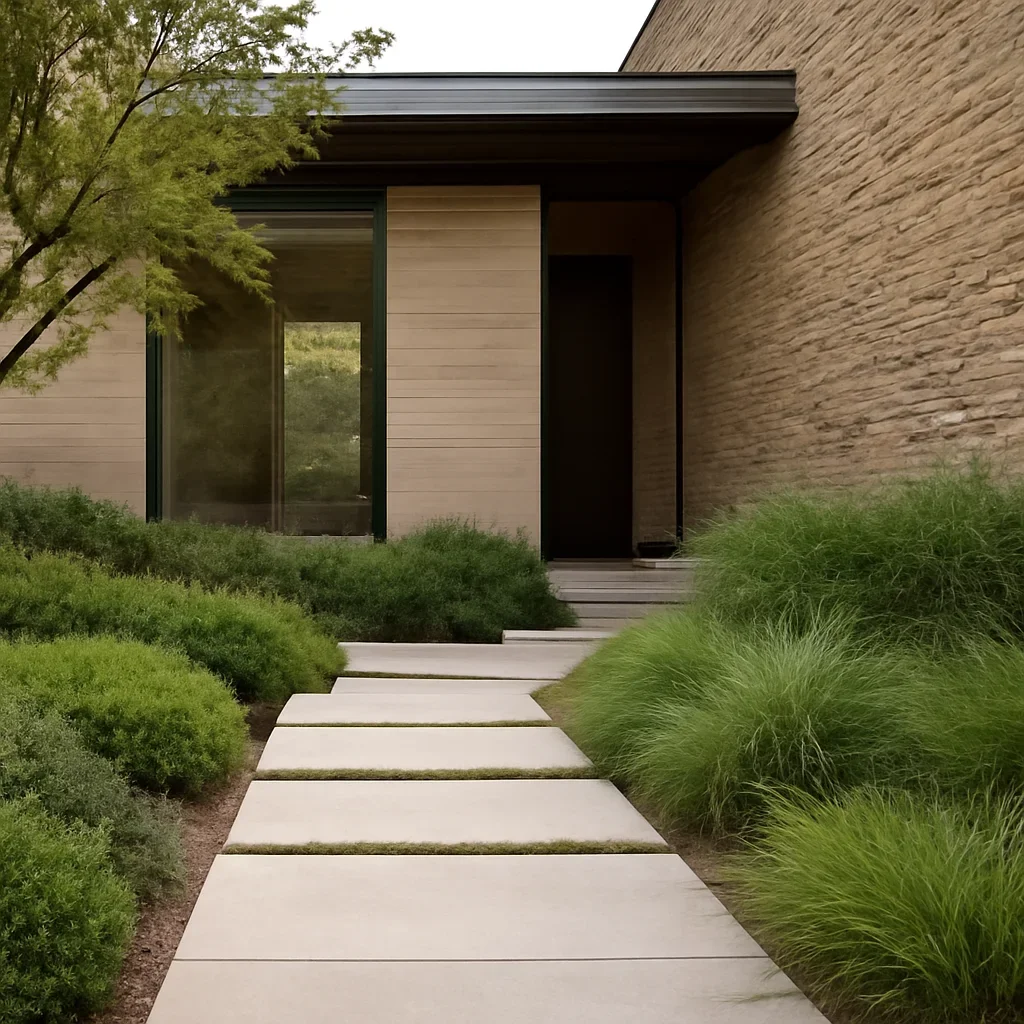
The payoff is usually visible in both the architecture and the client experience.
Topography, drainage, and access considered early
Outdoor circulation and view management
Landscape planning tied to architectural intent
Tell us what matters most to you about the land, materials, atmosphere, or use of the home and we will help frame the right next step.