Clarify the role first
Some guest houses are hospitality-driven. Others are highly practical. The room mix, kitchen strategy, storage, and privacy all depend on who will use the building and how often.
Signature Feature
A guest house can be a retreat, a bunkhouse, an entertaining hub, a work space, or a long-term family asset. Its success depends on purpose, siting, and the way it supports the main property.

These ideas change real decisions about siting, detailing, material strategy, and the feeling of the finished house.
Some guest houses are hospitality-driven. Others are highly practical. The room mix, kitchen strategy, storage, and privacy all depend on who will use the building and how often.
Circulation, service access, view protection, and outdoor living relationships should be resolved with the main residence and landscape plan.
The best companion structures can absorb change over time, from short visits and overflow sleeping to long weekends, extended family use, or staff support.
Applied thinking
Small buildings are not simple by default. They often require tighter planning because every room, threshold, and storage decision matters.
Handled well, a guest house expands the life of the property without diluting the quiet, privacy, or beauty of the main residence.
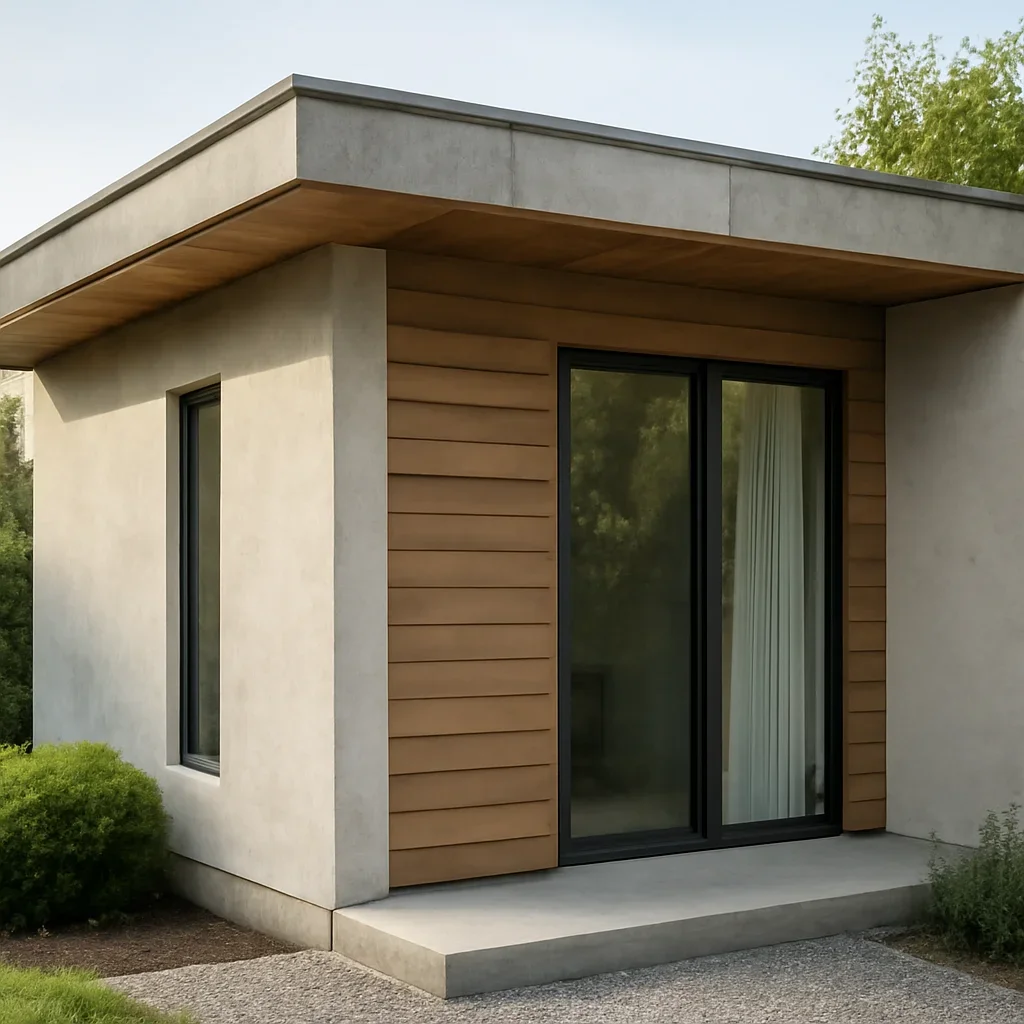
The payoff is usually visible in both the architecture and the client experience.
Programming for guests, family, and flexible use
Thoughtful distance and privacy between structures
Architecture that feels related without being repetitive
Tell us what matters most to you about the land, materials, atmosphere, or use of the home and we will help frame the right next step.